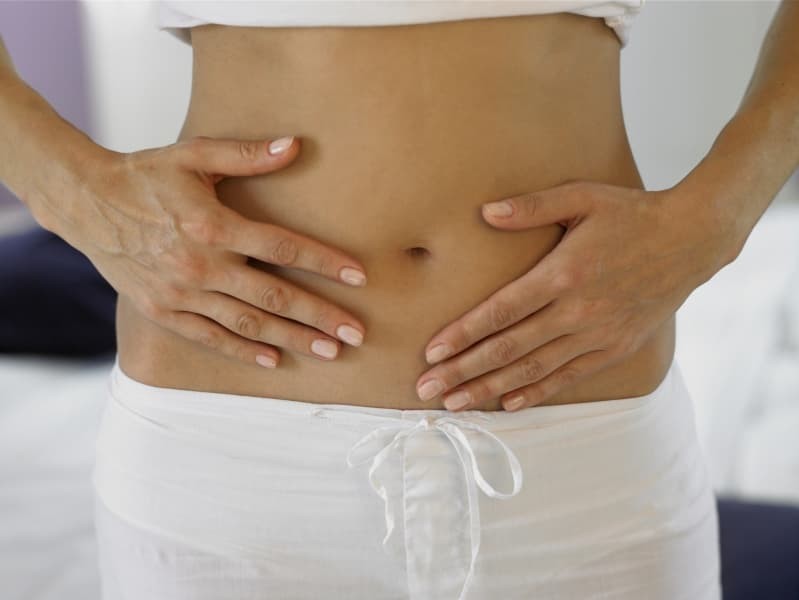
Endometriosis is a condition in which the endometrium (the tissue that lines the uterus) is found in places outside the uterus. It is a painful condition that affects a surprising number of women, but the good news is that there are natural ways of managing the condition. Some places in which it can be found include the ovaries, the bowel, the bladder, and the Pouch of Douglas (an extension of the peritoneal cavity between the rectum and back wall of the uterus). Once the endometrium has implanted, it begins to respond to the hormones that regulate menstruation in the same way that the endometrium inside the uterus does.
If a pregnancy does not occur, the uterine tissue begins to break down ready to be shed from the body. However, in the case of endometriosis, the blood cannot escape from the body, bleeding directly onto the surface of organs and tissues. This bleeding causes irritation which leads into inflammation, scarring, and the development of adhesions between the organs in some cases.
Endometriosis is the second most common gynaecological condition and it is estimated to affect around ten percent of women during some stage of their menstruating years. It is found in the entire spectrum of women, and can occur from any time between puberty and menopause.
Signs That You Have Endometriosis
Endometriosis can be easily mistaken for a fleeting period pain, or other conditions that cause pelvic pain like pelvic inflammatory disease (PID) or ovarian cysts, but a gynaecologist can enlighten you about their difference. Women with endometriosis experience severe pain that hinders them from performing their everyday activities.
Apart from painful periods, endometriosis comes with lower back pain, heavy bleeding, painful bowel movements, fatigue and pain with sex. Patients with endometriosis experience some or none of these symptoms, so it's very important to consult your doctor if you suspect that what you have is beyond normal menstrual pain.

Treatment of Endometriosis
Endometriosis can be treated using both conventional medicine and natural therapies. Most women who are suffering from the condition rely on heat therapy, constantly carrying a hot water bottle or taking warm baths to get temporary relief. However, that shouldn't be the case. In fact, several studies have shown that combining prescribed medical treatments with complementary health approaches is a great way to address the root of the problem and improve your overall wellbeing. The various treatments for endometriosis are explained further below.
Conventional Medicine
Conventional treatments for endometriosis involve the use of pain medication, hormone therapy, surgical treatment, and raising the body's level of serotonin. Unfortunately, there is no permanent cure for endometriosis apart from a radical hysterectomy. However, eighty to ninety percent of women will experience complete or partial relief from their symptoms.
- Non-steroidal anti-inflammatory drugs (NSAID) are pain relieving medications that work well because they manage the levels of pain that are experienced, as well as reduce the menstrual flow. Over-the-counter pain medication is sufficient in most cases, but in really severe cases, prescription drugs may be required. Prolonged use of NSAID can cause stomach pain, heartburn, headaches, problems with your liver or kidney, and diarrhoea or constipation.
- Hormone therapy involves the use of a contraceptive pill (without taking the placebo pills) to stop the menstrual cycle and the symptoms that may be caused by an irregular cycle. There are also some other hormone medications that may be used in the control of endometriosis. Some side effects associated with hormonal therapies include weight gain, hair thinning, depression, digestive issues and menopausal symptoms.
- Surgery is recommended to women with endometriosis who don't respond to pain medications. The two main surgical options are laparoscopy and hysterectomy. A laparoscopy is a diagnostic tool that can also be used to ablate or remove endometriotic tissue. A hysterectomy removes the uterus and surrounding tissue and, combined with a salpingo-oophorectomy (removal of the ovaries and uterine tubes), is the only cure for endometriosis. Pelvic infection, the development of scar tissues and the recurrence of endometriosis are common side effects of surgery.
- Raising serotonin levels helps improve the body's pain threshold and reduces endometriosis symptoms. Serotonin levels may be increased by avoiding coffee and alcohol, using light therapy and increasing tryptophan levels in the body by eating white meat and beans.
Natural Therapies
Several complementary therapies can be used for managing endometriosis and providing pain relief. They can also reduce the side effects of pain and hormonal medications as well as surgery. Some of the most popular ones are outlined below.
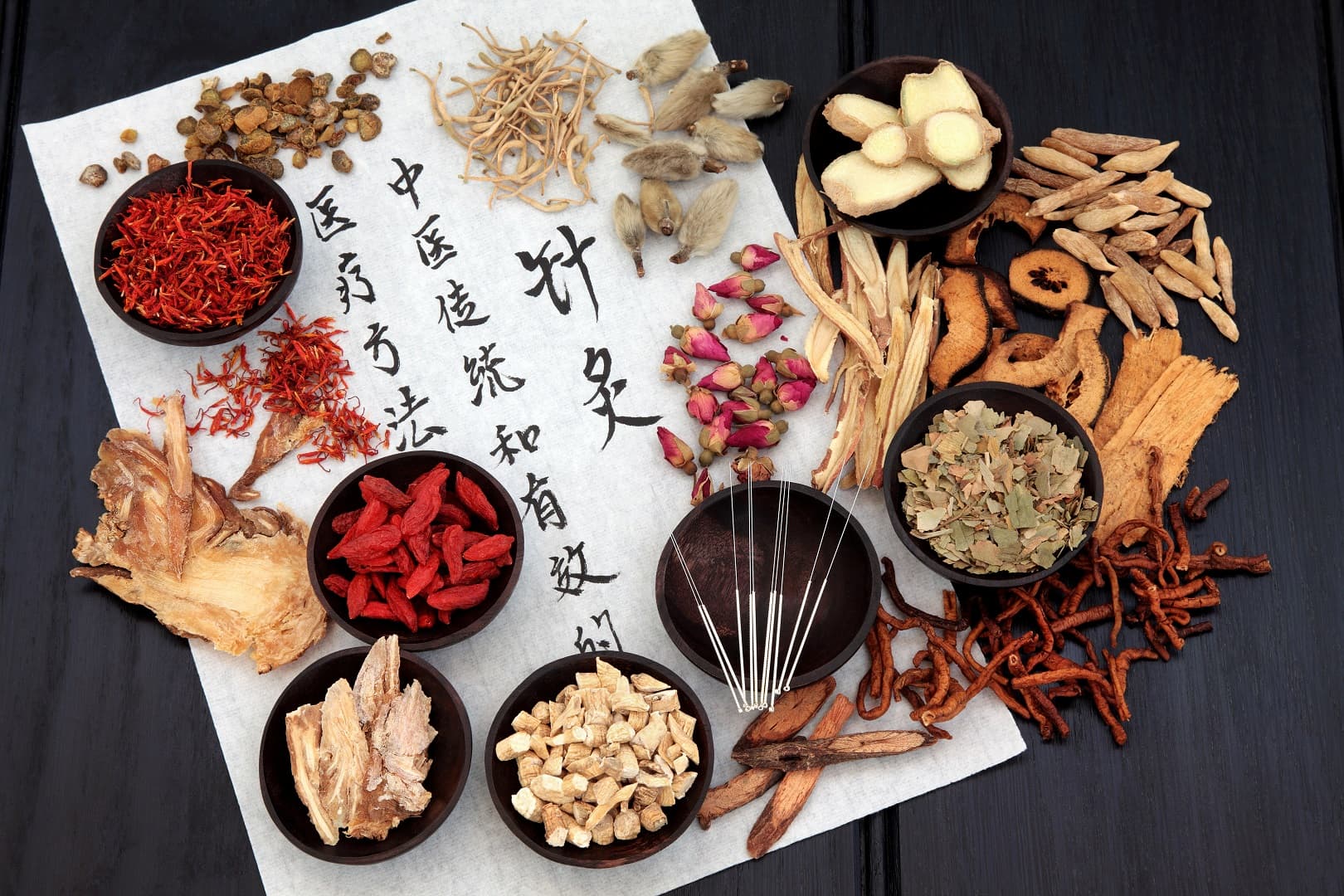 Traditional Chinese Medicine (TCM)
Traditional Chinese Medicine (TCM) uses herbal medicine and acupuncture in order to ease endometriosis. The specific acupuncture points and herbal medicines that are used will depend on the type of endometriosis a person is diagnosed with, as their symptoms will depend on which organs their endometrial cells occur in. Common acupuncture points used for endometriosis include those on the ears, abdomen, wrists, feet, legs, and back, with the needles being left in from anywhere between 20 and 45 minutes.
Acupuncture
Acupuncture will need to be carried out for a period of time in order to rebalance the body's systems, both energy and physical. Acupuncture is thought to help endometriosis as it improves the circulation in the body and stabilises the production of hormones. It can also help to release endorphins, which reduce pain.
Herbal medicine
Herbal therapy involves the use of herbs to rebalance hormones and to heal tissues. In some cases, the immune system is also strengthened. Some common herbs that are used for endometriosis include Vitex, evening primrose oil, dandelion, black cohosh, motherwort, burdock, wild yam, cramp bark, and horsetail. Chamomile is commonly used to treat premenstrual syndrome (PMS) and can help with endometriosis as well. This herb contains chrysin, an isoflavone that gets rid of irreparable cells in the uterine tissue. Other specific herbs will be prescribed to you depending on what symptoms you are suffering from and how severe they are.
 Dietetics
Dietary therapy is the restriction or promotion of certain foods in one's diet to manage the symptoms of endometriosis. Fatty foods should be avoided, as well as sugary foods, caffeine and alcohol intake. Eating plenty of foods rich in omega-3 fatty acids, such as seafood, leafy greens and fish oil supplements are advised. Foods that are rich in omega-6 fats can also support cell function and reduce the risk of heart disease, which is common in women with endometriosis. Studies have shown that a low-FODMAP diet can help reverse endometriosis naturally as well as relieve intestinal symptoms associated with it. Vitamin, mineral and herbal supplements can also be very beneficial. Magnesium is an important substance that can control cramps, while vitamin B6 can help with fluid retention, bloating and breast tenderness. See nutrition for more info.
Stress Management
Stress management is very important when dealing with endometriosis. Relaxation techniques such as controlled breathing, visualisation and meditation are all very useful. Ensure that you are getting enough sleep every night so that you are not unduly tired throughout the day. Self-hypnosis and biofeedback are also great for promoting relaxation as well as pain management.
Exercise & Physical Activities
Exercise is an effective way to lift a person's mood and help control mild depression. Gentle exercises such as walking, swimming and yoga help keep you fit and promote relaxation.
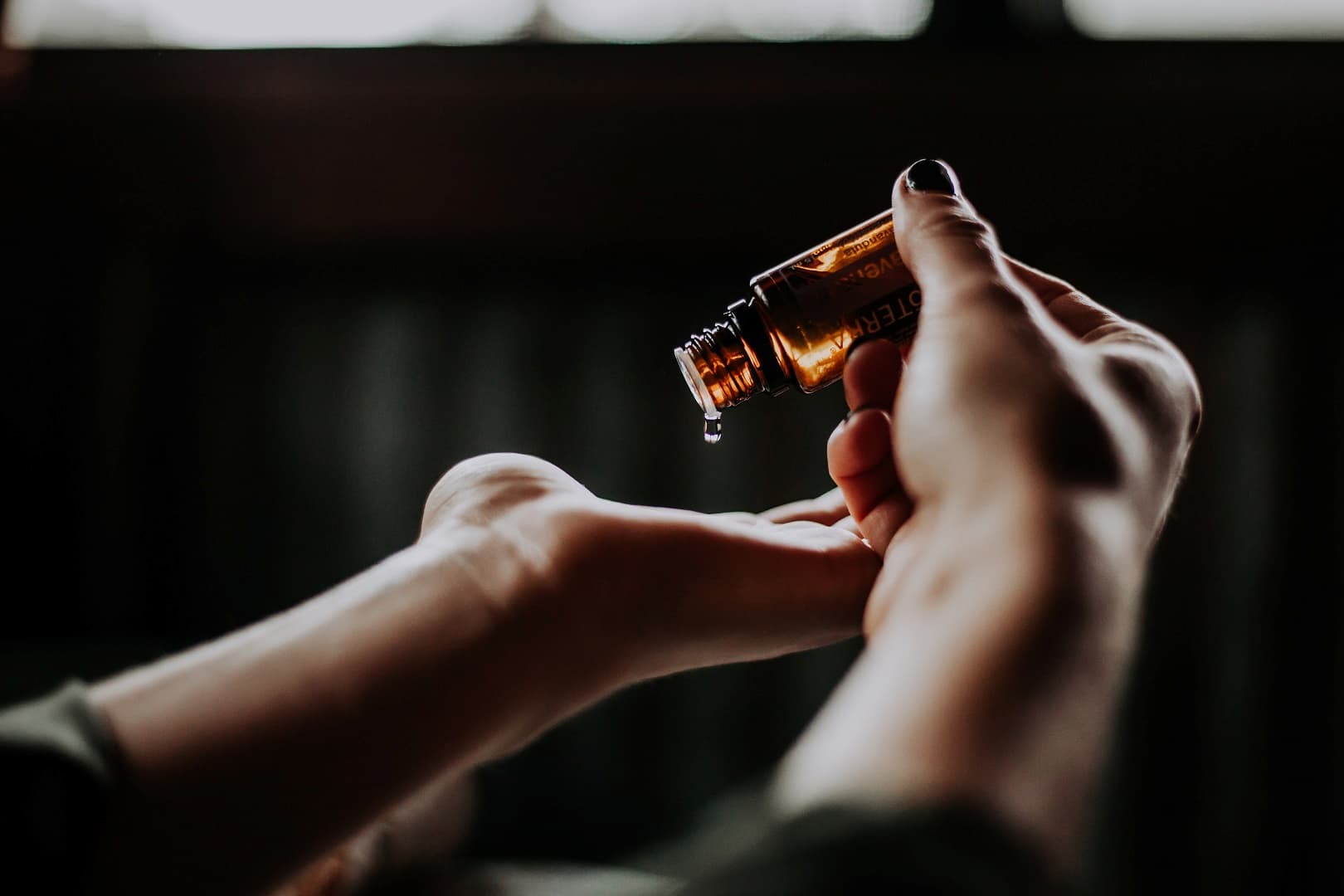 Aromatherapy
Aromatherapy involves the use of essential oils. In the treatment of endometriosis, oils such as rose, chamomile, lavender, jasmine and neroli can be used as they provide healing to the muscles and tissues as well as being anti-spasmodic.
Osteopathy
Osteopathy is the use of different manual therapy techniques to reduce pain in the pelvic floor muscles and certain types of adhesions caused by endometriosis. Different osteopathic techniques can also encourage pelvic drainage, reduce uterine congestion and relieve period pain.
Massage Therapy
Massage is a great way to help control pain linked to endometriosis. Getting regular massage therapy will release adhesions resulting from uterine tissues clumping together. Acupressure massages are a good way of treating painful cramps, with even just a short massage being capable of relieving pain for hours. Shiatsu massage can be used to control endometriosis pain for at least six months, as well as symptoms of depression. Tui Na massage was originally developed to restore the body's structural alignment, but in women with endometriosis, it can be used to treat back pain, stiff neck, aching muscles, emotional tension and headaches.
Homeopathic Remedies
Homeopathy stimulates your immune system to support your body's natural healing ability. Herbs and other natural substances are repeatedly diluted to treat the root cause of pain. When you meet with a homoeopath, a treatment plan will be devised specifically for you. There is no standard treatment as each woman that has endometriosis will have different symptoms.
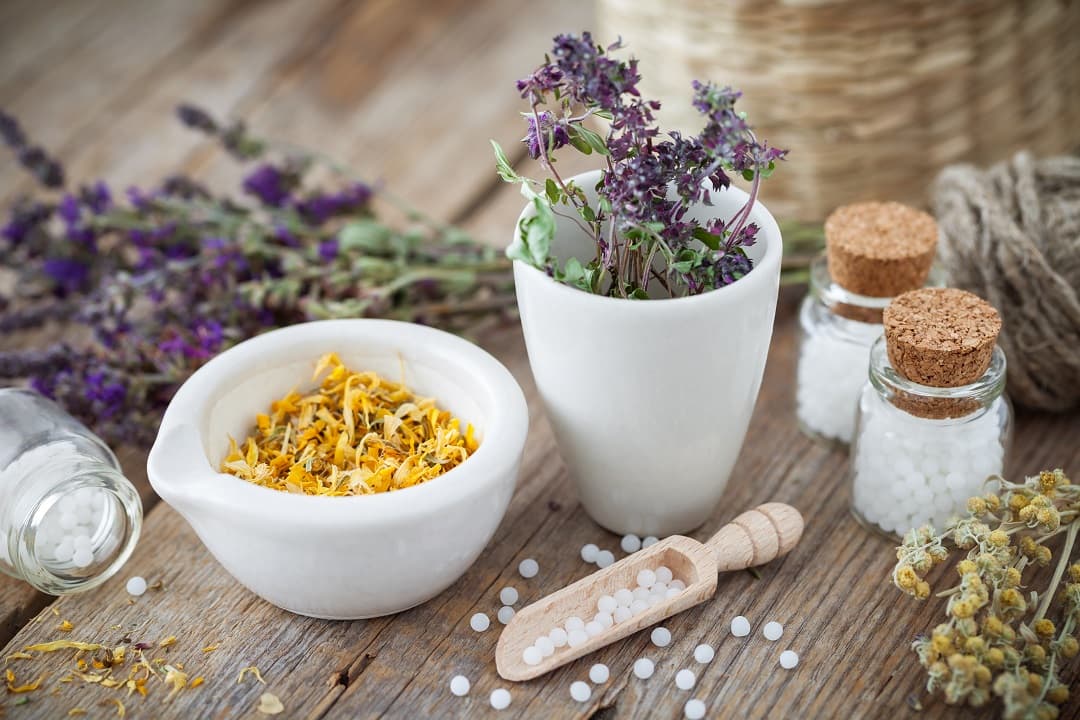 Naturopathic Medicine
Naturopathy is a comprehensive system of medicine that involves the use of botanical medicine, nutritional information, acupressure and other healing modalities to treat or prevent endometrial cysts. A naturopath uses a variety of herbs that contain anti-inflammatory agents and antioxidants to inhibit the growth of abnormal endometrial cells.
Physical Therapy
Physical Therapy can help address severe abdominal pain and improve the immune function of women suffering from endometriosis. It helps the body to relax and restore alignment in order to ease pain in the pelvic floor. A physical therapist can provide you with self-care exercises to enhance the flexibility of your pelvic floor muscles and tissues and enable you to move without pain.
It might be impossible to avoid the development of endometriosis, but it does not mean you should live in pain all your life. If you always experience debilitating pain during your period, don't take it lightly. There is an effective treatment for endometriosis out there. Consult your doctor to discuss the array of options available.
|
Do you have a natural health & wellness business? |


