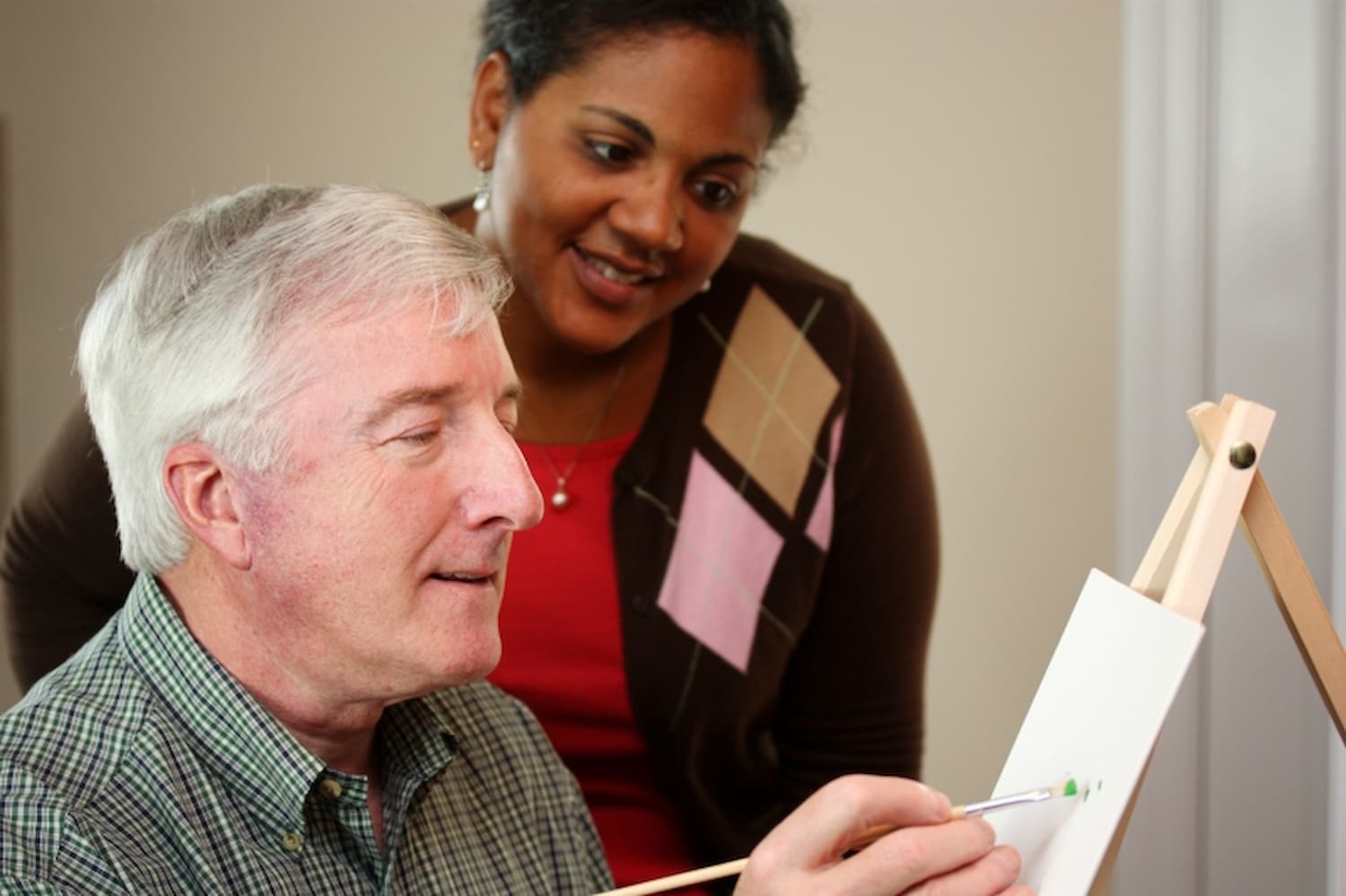
Have you ever been transported mentally and emotionally to a painting, to the point where you feel as if you've physically visited and felt all of its elements, including the finest lines and smallest detail? That is the power of art to influence people's mental, physical and emotional states, even when the exact message of an illustration or a sculpted figure is indefinable at times.
More than the beauty of its mystery, the massive benefits of art to a person's physical, mental and emotional wellbeing are worth a great deal. Art serves as a means for communicating what the mind and heart can't express in words.
Getting into the field of art therapy is a truly rewarding experience because it allows you to use your creative side to assist others in resolving deeply rooted pain and conflicts so that they can heal and move forwards in their lives.
If you believe in the power of art to transform people's lives, then perhaps you were carved out to become an art therapist. Art therapists use their combined knowledge of counselling and the arts to help others improve their physical and mental health as well as work on their emotional issues.
Read on to find out what courses you can take to become a qualified art therapist and what your job prospects are.
How Does Art Therapy Heal?
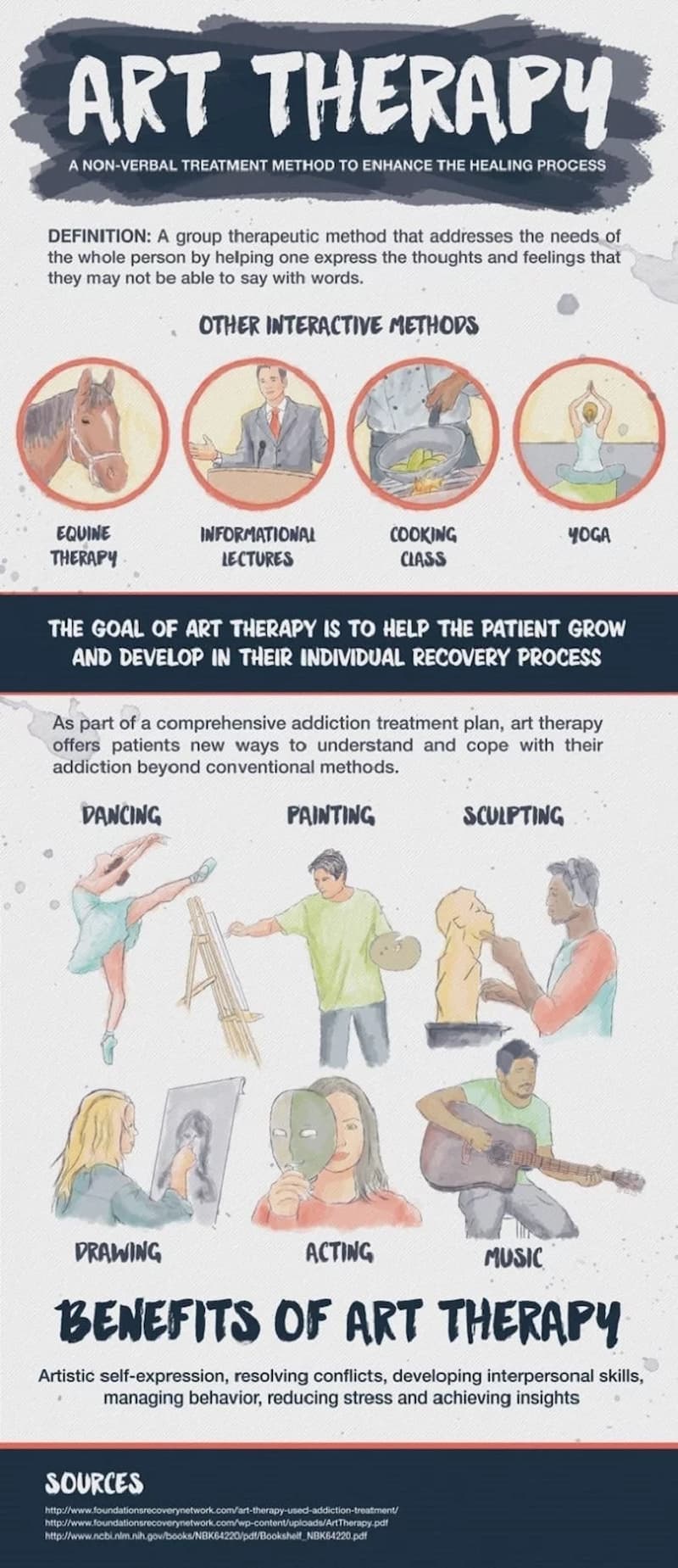
Art therapy is a form of therapy that uses drawing, painting, sculpting and several other types of art media to help people tap into their inner thoughts. They unconsciously unearth concealed emotional battles that have been influencing one's beliefs, actions and ideas for the longest time. Art therapy sessions can achieve many positive things, including:
- Expression of feelings that may be difficult to verbalise
- Developing healthy coping skills
- Increased self-esteem and confidence
- Improved communication skills
- Improved motor skills and coordination
- Removal of blockages to emotional expression and personal growth
What Services Do Art Therapists Provide?
An art therapist employs a creative process to motivate their clients to explore their thoughts and feelings that are holding them back from maximising their potential and living their desired lives. The artistic process of healing involves different therapeutic methods, including:
- Painting
- Drawing
- Sandplay
- Music
- Photography
- Sculpture
- Writing
- Drama and dance
You don't need exemplary artistic skills, nor do you need to be an art teacher to be a qualified art therapist and work in clinical settings. Many experienced art therapists have received professional development training in a diverse range of fields and worked in a wide variety of healthcare settings before establishing their art therapy practice, including occupational therapy, counselling, social work and nursing, to name a few.
Source: Rehab Recovery
A career in art therapy is a personal choice made by people who want to explore the power of artistic expression in identifying and treating the root cause of emotional and mental health conditions. All it takes to be successful in this field, in addition to a degree in art therapy, are good listening skills and a firm belief in the healing power of the arts to improve lives.
What Are the Important Qualifications of Art Therapists?
For students to be successful in the field of art therapy, empathy with clients is more important than Picasso-level artistic ability. While some people may be naturally drawn to healing through the arts, others may need to put more effort into it, which requires patience and determination.
Also, successful art therapists are open-minded and capable of collaborating with other health professionals to ensure optimum health outcomes for their clients. They recognise that when complementary approaches are combined with conventional treatments, deep-seated mental health issues can be effectively addressed.
To be a registered art therapist, you have to complete a three-year Bachelor of Arts Therapy, followed by a two-year master's degree. Depending on your preferred mode of study, your education could last five to six years. While studying full-time allows you to complete your studies more quickly, studying part-time allows you to fit your schedule around your other day-to-day commitments. If you already hold a relevant social science degree, such as counselling or psychology, you may proceed with your postgraduate qualification.
After graduation, you must gain field experience by completing at least 750 hours of supervised clinical placement before registering with the Australian, New Zealand and Asian Creative Arts Therapies Association (ANZACATA).
What Subjects Are Covered in Therapeutic Art Courses?
Completing your undergraduate art therapy degree is the first step towards your career journey as an art therapist. It provides the knowledge pillars that will prepare you for postgraduate courses required for ANZACATA registration.
Art therapy students learn:
- Different art modalities used for healing such as drawing, painting, sculpture, photography, etc.
- Code of ethics for performing art therapy
- Interpersonal skills for establishing trust and rapport with clients such as empathy
- Excellent communication skills are vital to being able to explain the therapeutic process to clients
- Practical experience in a variety of settings, including schools and mental health facilities
- How to employ art psychotherapy with different age groups
- Conducting consultation with clients
Studying With a Qualified Art Therapy School
Many colleges and universities in Australia offer courses in art therapy. They range from short art therapy certifications to graduate-level programs. The secret formula for landing at the best school is identifying which institutions offer courses that meet the educational standards of ANZACATA.
Once you have them on your list, narrow down your choices to those that are VET Student Loans (VSL) approved. VSL is a government loan that assists students enrolled in vocational education and training (VET) courses. Taking advantage of this federal loan ensures you complete your studies without the financial burden.
The Australian School Of Holistic Counselling offers a course that focuses on the holistic approach to art therapy. It involves a lot of artistic creations combined with meditation styles and guided creative visualisation.
You can also check out the Advanced Diploma of Transpersonal Art Therapy program from the College of Complementary Medicine. It combines ancient shamanic theories with modern transpersonal psychology, a valuable aspect of the course that promotes experiential learning by allowing students to experience the therapeutic qualities of various art materials.
Where Do Art Therapists Work?
Once you have finished your course, met the required hours for your clinical training program and gained professional membership with ANZACATA, you can begin your art therapy career by deciding where you want to work.
Art therapists work with all types of people, regardless of age, gender or cultural background. Their career paths are wide and varied. Your qualification will allow you to work where you believe you will be most productive, happy and fulfilled. Among your options are:
- Hospitals
- Community health centres
- Mental health facilities
- Palliative care
- Rehabilitation centres
- Correctional facilities
- Schools
- Forensic facilities
- Aged care facilities
- Community-based organisations
- Private practice
Recreational therapists, such as those who specialise in the healing arts, do not always conduct their sessions while seated. In fact, they rarely sit because they are constantly guiding their clients in expressing their deepest feelings. So, if you've ever seen a drama therapist, sculptor or music therapist at work, you'll know what you're getting yourself into with art therapy: a dynamic, vibrant and expressive career!
Job Outlook for Art Therapists
Art therapy is gaining popularity in Australia and around the world because it's unique to traditional therapies. The ability of art therapists to assist their clients with creative expression has catapulted many of them to success in a short period of time. This could explain why the job outlook for art therapists is so promising and why career opportunities for qualified art therapists are expanding by the day.
According to SEEK, job growth for art therapists is expected to reach 27.9% by 2026. So, if you're looking for a form of psychotherapy to specialise in, art therapy is without a doubt the way to go.
|
Do you have a natural health & wellness business? |


