Hi my name is Kerry. I first qualified as a massage therapist with a diploma of bodywork in 1990 with the Sydney College of Bodywork, studying Deep Tissue Massage, Shiatsu, Remedial & Sports Massage and Nutrition.
After working in private practice from 1990 to 1994 I travelled to Denmark and commenced my further education as a Physiotherapist at the Esbjerg Fysioterapi Skole, graduating in 1997. Whilst engaged with that study I completed my first Craniosacral Qualification and began working with that modality finding it a perfect natural adjunct to my other work and modalities. I have worked in both musculo-skeletal/sports therapy, neurological physiotherapy and in the more alternative realm with holistic practice relating to musculo-skeletal, rehabilitative, chronic pain, functional and postural disturbance, intellectual and behavioural issues.
Since returning to Australia in 1997 I have completed further advanced studies in specialist Dry Needling Techniques, Craniosacral and Myofascial Therapies as well as specialist studies in Neurological areas. I am currently engaged in post graduate studies relating to clinical rehabiliation for neurological patients as well as a graduate diploma of acupuncture.
I find that my work is my passion and I am continually engaged in seeking to help those who refer for my services in a holistic and effective way.
Craniosacral Therapy
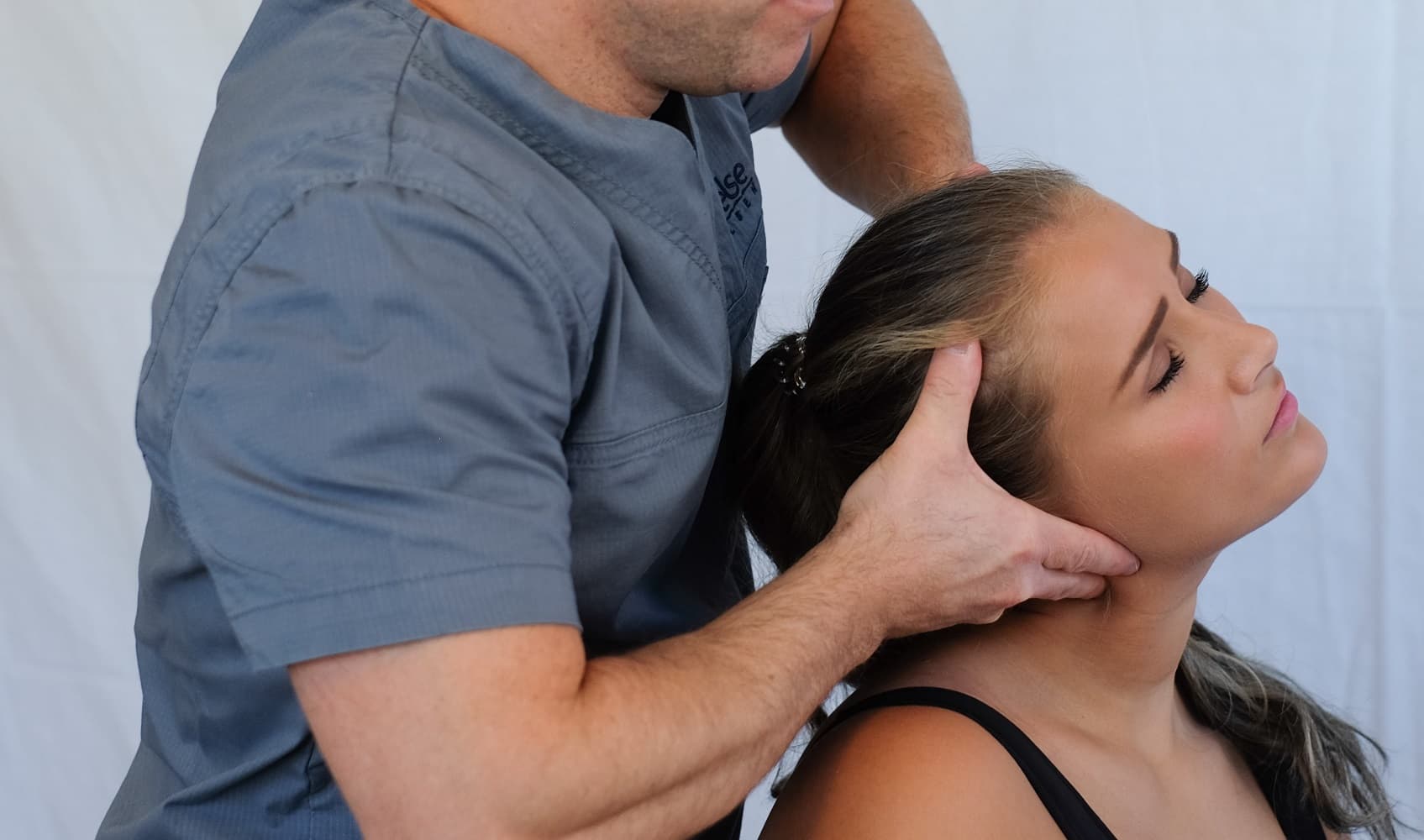
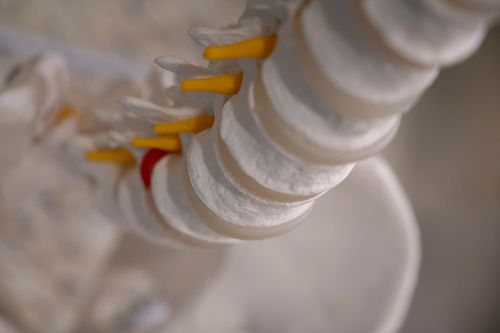
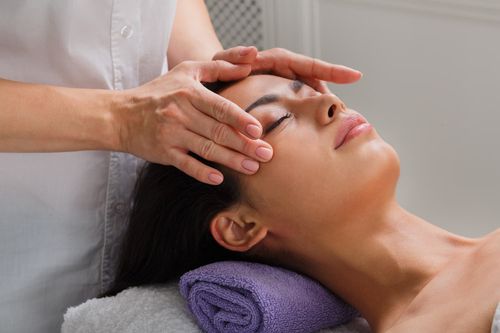
Craniosacral Therapy is a hands-on healing technique, whereby therapists gently mobilize and release the Craniosacral system, which includes the soft tissue of the head (cranium), the spine down to its tail end (the sacral area) and the pelvis.
It focuses on the movement of the cerebrospinal fluid, which is produced on a constant basis in structures within the brain.
The movement of spinal fluid within and around the central nervous system is believed to create a vital body rhythm, equally im-portant to health and well-being as the beat-ing of the heart or the breath.
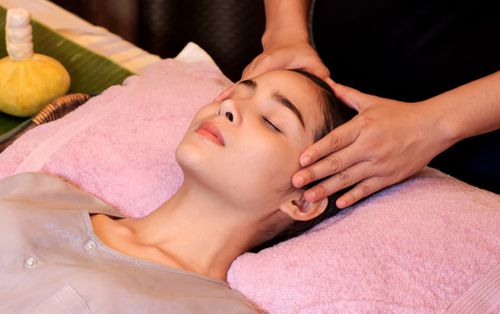
Craniosacral Therapy helps to boost general well-being, reduce stress, improve quality of sleep, increase energy and enhance the func-tioning of all the body's organs via the nerv-ous system. It is a non-intrusive therapy that works with the entire structure, physiology, mind and spirit. For a treatment, clients usu-ally lay on a massage table and the therapist works through light clothing.
It is a very gentle and profoundly relaxing procedure that lasts between 40 to 60 minutes.
Craniosacral therapists may combine other therapies in a Craniosacral Balancing session, such as Myofascial Release Therapy. These therapies enhance the healing session and effectiveness of Craniosacral Therapy for treating some disorders. Craniosacral Therapy can treat a wide range of conditions and can be used to treat all age groups including babies and young children.
Craniosacral Therapy is Useful For:
- Migraines and headaches
- Chronic neck and back pain
- Motor coordination impairments
- Stress and tension related problems
- Infantile disorders
- Traumatic brain and spinal cord injuries
- Chronic fatigue
- Scoliosis
- Central nervous system disorders
- Emotional difficulties
- Temperomandibular joint dysfunction (TMJ)
- Autism of certain types
- Learning disabilities
- Post Traumatic Stress Disorder (PTSD)
- Orthopedic problems
- Digestive disorders and colic
- And many other conditions
Myofascial Release Therapy
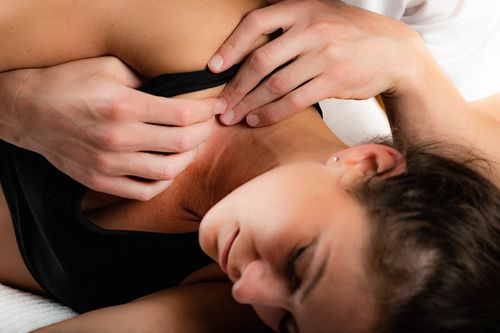
Myofascial Release is a tissue/structure mobilization technique. It is a highly interactive stretching and re-aligning technique, re-quiring feedback from the client’s body to determine the direction, force and duration of stretch.
This technique relies on the prem-ise that the practitioner can facilitate the client’s ability to self-correct soft tissue disfunction. We use our hands to apply a “sinking in” broad pressure, then gently focus movement away (either with cross hands or in-line) – (modification for me). The theory of increased viscosity of ground substance (thixotropy) is utilized as a premise for treatment in that the therapist can elicit lasting change in the fluidity, flexibility and elasticity of connective tissue by the myofascial release technique.
Direction of traction and force, duration is predicated by the tissue under the hands.
The different properties of connective tissue in the body and the functions of each one are listed below:
| Properties | Function |
| Collagen (protein) | Strength |
| Elastin (protein) | Flexibility (cushioning / shock absorption complex) |
| Ground-substance | Lubrication (Polysaccharide gel) |
The function of connective tissue in the body is to bind; connect; separate; surround; cushion; support; house body structures; aid movement; transport fluids and energy. Restrictions in connective tissue can impact skeletal movement, organ function; central nervous system function; increase pain, tension, negatively affect general and emotional wellbeing, and predicate organic disease.
The name given to the process that changes the consistency of the ground substances back to solid from gel and the process that allows this to happen is called “Thixatropy” – (viscosity change to ground substance).
Thixotropy is the property of certain gels or fluids that are thick (viscous) under normal conditions, but flow (become thin, less vis-cous) over time when the above mentioned applications are applied. Thixotropic substances (ground substance) become solid when allowed to stagnate, i.e. tissue held in rigid postures. Ground substance viscosity is reduced via application of mechanical heat, stretching and bio electric energy to increase fluidity of ground substance.
In a myofascial treatment a minimum time each technique should be held to encourage the healing process is recommended.
After 90-120 seconds, tissue undergoes histological change to length for 1st release, then maximum benefit when held for 3 – 5 minutes.
2nd phase hold (3-5minutes) allows for long term change in connective tissue structures, re-configeration of the system and maximum Thixotropic effect after tissue change and lasting structural re-alignment.
Release of the transverse planes prior to treatment is important to initiate not only relaxation but reduction in sympathetic activity, improved respiration and flow of CFS (Cerebral Spinal Fluid). There are 3 main transverse planes in the body. Each transverse plane corresponds to a level on the spine, list below the corresponding level.
| Respiratory diaphragm | T12 – L1 |
| Pelvic diaphragm | L5 – S1 |
| Thoracic inlet | C7 – T1 |
Why combine modalities? Using myofascial release therapy prior to other modalities will establish effective release in the body, assist in the relaxation of the client, facilitate improved fluidity, flexibility and reduced tension of connective tissue, facilitate/improve flow of energy and increase effect of massage and/or craniosacral therapy or other modality to be utilized.
Notable contra-indications to giving a myofacial treatment which require special consideration and planning and rated in order of importance are:
- Aneurysm
- Contagious Infection & Skin Disease
- Acute Rheumatoid Arthritis
- Obstructive Oedema
- Cellulitis
Dry Needling Plus
DNP: an integrated neuro-myofascial dry needling approach.
DNP is an approach to musculoskeletal dry needling that unlike other approaches such as IMS and Myofascial Trigger Point Release pioneered by Janet Travell, places no emphasis on the needling of trigger points.
dnp incorporates meridian therapy inspired needling techniques applied to stimulate change in tissue anomalies which load the system neuro-physiologically resulting in tissue irritation, inflammation and pain sensitivity.
The relevant tissue is located during a non provocative examination using a process of light palpation, refined tissue sensitivity and movement analysis and neuro-dynamic assessment. The dnp approach employs more superficial and less vigorous techniques than those used in other approaches .This has obvious benefits for patient and practitioner alike such as reduced discomfort and risk of adverse outcomes.
The incremental addition and varied level of stimulation provided to each patients tissue during a dnp treatment means the issues of non response and over stimulation are not a concern. Both are known issues in other dry needling approaches (references provided on request).
DNP also provides a logical, well reasoned approach to clinical presentations where a degree of central sensitisation may exist and “trigger point” type tissue reactions are absent or difficult to locate.
I regularly and effectively use dnp as an important part of my treatment protocol when addressing issues of chronic pain, postural mal-alignment, structural muscular contracture, inflammation and joint irritation and chronic joint/muscle pain.