Natural Therapy Pages :: Australia's no. 1 natural therapies and natural health site
 
 
Find out how to add your business to Natural Therapy Pages
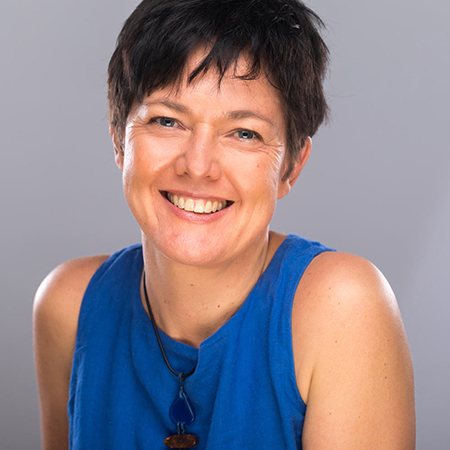
Thumbnail picture for Bronwen Kendall        

Bronwen Kendall

 
Refer a Friend
Printer Friendly Version
Share on Facebook
Map
    
Bronwen, a Brisbane Physiotherapist, integrates Craniosacral Therapy, Visceral Manipulation & Pilates into her work. Acupuncture & Reiki supplement, recognising the energetic nature of the body.


CONTACT INFORMATION  
   
Contact NameBronwen Kendall
AddressPilates & Healing Centre
67 Boundary Street
West End
Queensland 4101
Phone3846 0800
Mobile0427 814 161
Fax3846 6090
Email Make an Enquiry

Request an Appointment
Websitewww.pilatesandhealing.com


SERVICES

Welcome to Bronwen Kendall

"The whole is greater than the sum of the parts"
"The way in which we breathe & move is the way we live our live"


I have more than 15 years experience as a Physiotherapist in treatment and rehabilitation of muscluloskeletal injury and dysfunction. I have a broad scope of interest and skill within the conventional physiotherapy framework. Areas of special interest include Pelvis, Sacro-Iliac Joint (SIJ) & Lumbar spine dysfunction, Neck pain, Headaches, TMJ (jaw) dysfunction, and Women’s health.

Physical modalities which I integrate into my work include Muscle Energy Technique, Craniosacral Therapy, Visceral Manipulation & Pilates. Additionally Acupuncture bridges the physical and energetic aspects of the body. Reiki as a pure energy modality is a lovely complement to structural work.

Please find following information about each modality, and also ‘Frequently Asked Questions’, ‘Did you know’, ‘True Stories’, ‘Prices and TImes’ and ’Qualifications’ sections.


Physiotherapy

Physiotherapists complete a four (4) year tertiary training in which they study human movement & its rehabilitation. It equips them to assess, diagnose & treat the underlying causes of musculoskeletal pain & dysfunction as in relation to joints, muscles, nerve tissue, & faulty movement patterns. A physiotherapist will take your history, examine your movement, and implement a treatment program specific to your needs. The number of consultations you need will depend on the nature and complexity of the problem, and on what your goals are at the time.

Treatment will usually include a combination of joint & soft tissue mobilisation to improve tissue mobility +/- other modalities to promote tissue healing. In addition, instruction in exercise (specific & general), posture, ergonomics & movement habits aims to promote long term solutions.

Physiotherapy is an important part of the solution for many musculoskeletal problems, including:

  • Acute & Chronic pain
  • Joint & muscle injury
  • Poor posture
  • Back and neck pain
  • Headaches
  • TMJD (Jaw problems)
  • Pelvic and hip pain, including during and after pregnancy
  • Recovery after injury, surgery or childbirth
  • Continence problems including Stress Incontinence & Urgency
  • Arthritis & other orthopaedic probems
  • RSI/OOS (translation: 'Repetetive Strain Injury' & 'Occupational Overuse Syndrome')

    Visit the Australian Physiotherapy Association site for more information including patient information cards & research updates: http://apa.advsol.com.au/physio_and_health


    Craniosacral Therapy and Visceral Manipulation

    Life and motion are inseparable. For a living body to function optimally, all layers of tissue from top to bottom, inside to out should be moving freely and fully. Optimal mobility permits and encourages optimal function. 


    Craniosacral Therapy (CST) and Viseral Manipulation (VM), are modalities which restore mobility to tissues beyond the musculoskeletal system, and as such are ofthen the ‘missing piece’ in body work.


    Connective Tissue performs a wide variety of functions, & exists in similarly diverse forms.
    Functions include Support, Transport, Storage, Immune defense & Thermoregulation.
    Forms include 'Connective Tissue Proper' & 'Specialised Connective Tissue'.

    Specialised Connective Tissue includes cartilage, bone, fat, blood, lymph & the liver.

    Connective Tissue Proper can be loose or dense & be more or less organised structurally. It has Fluid, Elastic & Collagen components. It forms tendons, ligaments & fascia.
    Ligaments join bone to bone. They have very high collagen/low elastic components.
    Tendons join muscle to bone.
    Fascia forms the wrapping around individual structures and the lining inside the body's different compartments. It's make-up makes it relatively much more fluid, mobile & elastic.
    All Connective Tissue Proper has a support function, creating, defining and guiding the body's movement.

    Of the Connective Tissue Proper that lines the body's cavities:
    Dura is the name given to the lining of the skull & spinal column, containing the Brain & Spinal Cord
    Pleura is the name given to the lining of the Left & Right Rib cage, containing the Lungs
    Mediastinum is the name given to the lining of the space between the lungs, containing the Heart, Esophagus & major airways
    Peritoneum is the name given to the lining of the Abdomen, containing the Digestive organs. Kidneys lie behind the Peritoneum & Pelvic organs below.

    All organs have their own fine delicate lining which adheres closely to them.
    Most but not all organs are wrapped or supported to some degree by the cavity liner.
    Between all of these connective tissue layers is a small volume of fluid which allows all the parts to slide & glide against each other. The exception is the much larger amount of spinal fluid between the Brain/Spinal Cord & the Dura.

    Craniosacral Therapy (CST) addresses the Skull, Sacral & Dura tissue mobility. The spinal fluid within this space goes through rhythmic slight increases & decreases in volume, which can be felt by a practitioner trained in sensitive light touch. This is what is referred to as the 'CranioSacral Rhythm'.

    Visceral Manipulation (VM) addresses the mobility of Organ related Connective Tissue. It can equally as well be referred to as 'Organ Specific Fascial Mobilisation'

    CST & VM both work with the viscous & elastic nature of tissues. It is for this reason that they are gentle & light in touch. Their specificity give them their results.


    Restricted movement in one piece of the movement system will change axes of movements & set up compensations locally & at a distance. Alterations in movement & function to some degree ensue. These can be relatively inconsequential, the body having a great capacity to accommodate & compensate. Dysfunctions can be minor and unnoticed, or accumulate & become significant or even catastrophic. Restrictions in Craniosacral & Visceral systems can contribute to Musculoskeletal dysfunction, and vice versa. Restricted Visceral mobility can interact with Physical, Emotional & Biochemical dysfunctions separately or in combination.

    Physical:
    Under, overuse & misuse of the body, injury & trauma of any kind. If tissues do not heal efficiently, or remain under constant or repeated strain, movement is reduced and lines of tension develop that the body must compensate for. Inflammation can leave tissues adhered, or ‘sticky’ (eg appedicitis, colitis, gastritis, bronchitis, pelvic inflammatory disease, endometriosis and so on). Surgical scars, though healed, commonly are not as mobile as the original tissue (eg appendectomy, caesarian section, hysterectomy, laparascopy, heart bypass)

    Emotional:
    The emotions normally discharge to the physical body, with common patterns. Day to day stressors tend to affect the gall bladder, and chronically the stomach and liver. Fear, anger & shock can be discharged to the kidneys. Transition zones in the digestive tract respond to a variety of emotional states. Barral writes a fantastic book “Listening to the messages of your body” which explores these relationships. Familiar sayings such as “butterflies in the stomach”, “can’t stomach it”, “had a gutful”, “feeling liverish”, “broken hearted” arise from our instinctive understanding of these relationships. TCM has always acknowledged these relationships. VM assist in normalising the relationship between mind and body by restoring normal tissue tone and its feedback into the central nervous system.

    Biochemical/Functional:
    Digestive dysfunction of varying kinds can have a relationship with organ mobility. Optimal mobility of tissues will promote optimal function of the system. Transition zones throughout the gut and sharp bends in the large intestines are common areas for bacteria and viruses to collect, which is made worse by mechanical restrictions. Hiatus Hernias & Reflux frequently have a mechanical component to them - the Gastro-Esophageal junction is prone to mechanical tensions due to its anatomy. Normalising pressures in this area can unload this entrance to the Stomach and improve its function.

    CST & VM are both light, gentle and specific manual therapies. They target the specific tissue restriction that the body most needs assistance with at that time. Treatment may or may not be initially directed at the site of symptoms. Instead, it will target the factors that cause or perpetuate the symptoms, in the most efficient order that the body needs. The practitioner learns a sensitive assessment approach enabling them to feel fascial lines of tension in a 3-D manner. In French, the word for ‘manipulate’ means ‘to care for with hands’, implying its gentle nature.

    John Upledger (USA), and Jean-Pierre Barral (France), both Osteopaths, have developed CST and VM respectively. 

    For more information please visit:
    CST: www.iahe.com/html/therapies/cst.jsp & www.upledger.com
    VM: www.iahe.com/html/therapies/vm.jsp & www.barralinstitute.com

    As a Physiotherapist, I integrate Visceral Manipulation, CranioSacral Therapy and Acupuncture into my treatments, enhancing results.

    In using manual therapy for multiple systems, I encourage people to develop a good relationship with their other Health Practitioners and to develop Health Practices which support all aspects of their health & well being.

    In addition to the previous list re Physiotherapy, VM & CST will help with a wide range of conditions including:

  • Migraine Headaches
  • Chronic Neck and Back Pain
  • Central Nervous System Disorders
  • Orthopedic Problems
  • Traumatic Brain and Spinal Cord Injuries
  • Scoliosis
  • Chronic Fatigue
  • Stress and Tension-Related Problems
  • Fibromyalgia and other Connective-Tissue Disorders
  • Temporomandibular Joint Syndrome (TMJ)
  • Post-Traumatic Stress Disorder
  • Post-Surgery Dysfunction including Mobilisation of surgical scars & adhesions
  • Mobilisation of tissues affected by infections & inflammation
  • Stress tension
  • Gall bladder dysfunction
  • Digestive dysfunction including Irritable Bowel Syndrome and Hiatus Hernia
  • Women’s health problems and pelvic pain
  • ‘Stitch’ when exercising
    Practitioners who work with children can also use CST & VM to help with:
  • Colic
  • Autism
  • Learning Disabilities

    I have now completed all four in the set of VM-organ courses and am preparing for certification as a Visceral Techniques Practitioner (exam in September at this stage). The next two course set starting during 2010 will be Viscero-Emotional Integration.
    VM1&2 address Digestive organs & Kidneys, basic & advanced concepts. VM Thorax addresses Lungs, Heart, Oesophagus & Ribs. VM Pelvis addresses Bladder, Uterus Fallopian Tubes & Ovaries, Prostate, Lower Bowel, Sacrum & Coccyx


    Acupuncture

    Acupuncture makes use of the body’s energy (variously called chi, qi, or ki) within the constructs of traditional chinese medicine. It acknowledges the whole nature of a person (physical & energetic, emotional & spiritual, nutritional & seasonal) It takes into account relationships and cycles that operate within the system. I use acupuncture as an adjunct to physiotherapy in treating musculoskeletal conditions, allowing me to work with your musculoskeletal system in the context of your general health and well being, supporting both at once. It has both a physical and energetic nature to it. I predominantly uses the very gentle Japanese Meridian & Ki acupuncture styles, which use gentle needle insertion, contact needling (without insertion) and moxa to activate acupuncture points. Selectively, stronger needling of active Trigger Points (also known as dry needling) can be included.


    Reiki

    The word Reiki translates literally into “Universal Life Force Energy”. 
Please see www.aslor.org & www.reikicentre.com.au for more information about Reiki and it's long history as a healing art. 

In essence, Reiki concepts includes that of a universal life force energy, that each individual has their own ‘package’ of life force energy, and that each individual has a connection to universal energy. A Reiki practitioner has been ‘attuned’ to life force energy. Activation of the Palm 'chakras' creates a conduction of Reiki to another person when a practitioners hands are placed on or near their body. You receive a ‘dose’ of Reiki (and NOT the practitioners own energy) that your body uses how it best needs at that time. The addition of a Purpose increases it’s potential. A Purpose can be quite general or very specific. Reiki Symbols represent & accentuate aspects of Reiki's healing properties. Reiki can be used on its own, or in combination with my other treatment.

    The Five Principles of Reiki are:
    Just for Today I will
    ...Let Go of Anger
    ...Let Go of Worry
    ...Be Grateful
    ...Work Hard
    ...Be Kind to Others


    Frequently Asked Questions

    ? How many treatments will I need
    A most difficult question to answer at first meeting. The number of treatments that is beneficial varies from person to person. Most people will get significant benefit from 4-6 visits. Factors including how long the problem has existed, and how complex your body’s adaptations are will affect speed of change. Your general state of health, sleep & nutrition, emotional contributors, posture, ergonomic & movement habits, and your present goals will all have some influence.

    ? How will I feel after treatments
    At worst you will feel no different. You may feel immediate improvements, in which case enjoy! but don’t launch into doing things your body has not been accustomed to doing for months & years. You may alternatively feel worse before you feel better. Old symptoms can return for a few days as your body adjusts to changes, in which case ‘go with the flow’ and call me if you would like to talk about anything at the time.

    ? Should I exercise before or after treatment
    Heavy exercise immediately before, or for the 24 hrs afterwards is not ideal. Light and Moderate exercise is fine, and in context of Pilates I usually encourage people to explore the new mobility gained during treatment in Pilates on the same day. (see above Q?)

    ? Should I eat before or after treatment
    A full bladder or stomach is simply not comfortable or helpful during a treatment. A small amount of food & drink is fine. Drink plenty of water after treatment, and remember to drink enough on a daily basis...

    ? Should I visit my doctor before having treatment
    With respect to Physiotherapy in general - you need to visit your doctor prior to treatment if you require a medical certificate & referral for insurance purposes, or if you have any reason to think you need a medical review first. With respect to VM specifically, again you do not need to visit your doctor first unless you have symptoms that you think you need a medical review. In either case, if anything comes up in during your appointments that needs further investigation or advice I can refer back to your doctor.

    ? How long after surgery should I wait before I can have VM
    6 weeks or more, to allow time for your body’s healing process.

    ? Are there any contra-indications to Visceral Manipulation
    There are a very few circumstances in which VM should not be used at all, and quite a few in which the use of VM would be modified. I will get you to fill out a questionnaire at your first appointment. Things I need to know about include pregnancy, surgical history, active (or recently active) infection & inflammation, implants (including metal fixation for previous fractures, IUD, pacemakers, joint replacements), diabetes & rheumatoid arthritis.


    Did you Know That...? Curious Relationships Within the Body


  • The Connective Tissue that anchors the Small Intestine to the back wall of the body relates directly to the Lower Back, Pelvis & Sigmoid Colon?
  • The mobility of the Liver can affect the function of the right Shoulder? and the Stomach of the Left Shoulder?
  • The Lung apex anchors to the 7th cervical (neck), 1st Thoracic & 1st Rib segments?
  • The Bronchi and Oesophagus lie just in front of the Thoracic spine, and have a close relationship with T4-6 segments?
  • The Kidneys tuck up under the lower attachment of the diaphragm sliding down & up the upper Psoas muscle with each breath in and out?
  • The Diaphragm Tendon anchors to the front of not only T12, but L1,2,3 and at times L4!!! and furthermore has a slip that supports the junction between Duodeum & Small Intestine?
  • The Pleura (outer lining) of the lungs attaches itself to the inside of each rib?
  • The Cecum (first part of the Large Intestine) and the Sigmoid Colon (last part of the Large Intestine before it becomes the rectum) lie in front of the pelvis adjacent to the SacroIliac Joints (SIJ)? Appendectomy scars frequently create havoc with the Cecum’s mobility.
  • Ligaments that support the heart suspend it within the chest upper Thoracic--lower Sternum, and lower Thoracic--upper Sternum. The Diaphragm attaches strongly to the underside of the heart, providing the anchor required by the diaphragm to flare the lower ribs.
  • There is a strong relatonship between Bladder, Coccyx (tailbone) and the Navicular (support bone in the arch of the foot)
  • There is a strong relationship between the Kidney and the Knees via the Psoas muscle.

    These and many more fascinating relationships exist in these fabulous & mysterious bodies which we oft take for granted. Please consider the place of care for your organs with VM in the care of your body.


    True Stories
    watch this space for updates


    Prices

    Physiotherapy:
    Health fund rebates apply
    30 min $65
    45 min $75
    60 min $90


    Physiotherapy/Pilates combinations:
    Health fund rebates apply
    45min $70
    60min $85


    Reiki: 

    60 min $75 

    90 min $90


    Times that I am available are as follows:

    Annerley:
    Monday 12-8

    West End:
    Tuesday & Friday 7am-3pm
    Wednesday & Thursday 12-8pm

    Saturdays:
    by appointment only at The Gap

    For location of Annerley Clinic see www.naturaltherapypages.com.au/therapist/16249


    QUALIFICATION DETAILS

  • Bachelor Physiotherapy (hons) 1992
  • Cert Acupuncture (APA) 2000
  • Craniosacral Therapy (Upledger): CST I & II
  • Visceral Mobilisation (Barral): Abdomen I & II, Thorax & Pelvis
  • DMA Clinical Pilates: Lvl 1 & 2
  • Stott Pilates Mat & Equipment: Essential & Intermediate
  • The Original Seven Level System of Reiki: Level 4

    MAP


    Service Categories
    Acupuncture, Craniosacral Therapy, Physiotherapy, Reiki

  •    Profile picture for Bronwen Kendall


    Site Map    |   Terms    |   Privacy    |   Contact Us    |   Career Opportunities    |   Advertise with us
    NTP Home    |   Modalities    |   NTP Schools    |   NTP Clinic Rooms    |   NTP Products    |   Practitioners    |   Media Centre    |   Natural Health Glossary
    Massage    |   Natural Medicine    |   Beauty    |   Yoga    |   Spiritual    |   Exercise & Fitness    |   Energetic    |   Structural    |   Cognitive
    Partner Sites:   NTP New Zealand    NTP United Kingdom    Home Improvement Pages
    © 2010 Natural Therapy Pages :: Australia's no. 1 natural therapies and natural health site