Obstetric and Gynaecological Acupuncture, Herbs, Bach Flowers and Counselling.
SERVICES
Vivienne Williams trained as an Acupuncturist in Australia and has over 31 years experiences in Chinese Medicine, including Acupuncture, Herbs and Tui Na. She is also a Counsellor and is an accredited Counselling and Psychotherapy Educator.
She has established several very successful practises in Melbourne, Geelong and the Blue Mountains N.S.W. and at present operates a part time clinic in East Kew.
Vivienne was a leading academic at Victoria University for 15 years where she lectured in Chinese Medicine, Counselling and business management.
Vivienne’s training and experience as an acupuncturist is extensive with many visits to China (the home of Acupuncture) over the last few years where she has undertaken further clinical training within the hospital system in Beijing, Jinan and Liao Ning, China. In 2005 Vivienne was invited to teach Chinese Medicine to Chinese students at Beijing University of Chinese Medicine. The first time a Doctor of Chinese medicine trained outside of China was asked to be involved in such a project.
Vivienne’s philosophy when working with her clients is to support them in taking responsibility for their health and well-being. This may require changes in diet, increase exercise and looking at one’s emotional and spiritual well-being.
Vivienne uses a number of healing practises as well as all aspects of Chinese Medicine and these include Herbs, Bach Flowers, Pranic Healing, counselling and vitamin and mineral therapy.
She specialises in Obstetric Acupuncture and Women’s Health and well-being and works extensively with women with problems ranging from PMT to infertility, morning sickness, and general well-being during pregnancy, inductions, and delivery. Vivienne also works with new borns to alleviate colic and gastric reflux.
WHAT IS ACUPUNCTURE
Acupuncture is an ancient art of healing originating from China. The earliest books on acupuncture date from 2500 B.C., and since there is already a complex knowledge of physiology and pathology in those works, acupuncture must be over 5000 years old. It is therefore the oldest system of medicine still in use today. Acupuncture is practiced almost all over the world today, and is studied at Universities in some countries like the Peoples Republic of China, Korea, Japan and Australia.
Fundamental to Chinese philosophy and acupuncture is the concept of energy. You will often hear practitioners of acupuncture talk about “energy”. The Chinese saw every phenomenon in the Universe (and Man) as a manifestation and particular mutation of energy. Everything is energy in movement and matter itself is a concentration of energy. (This has been confirmed by modern nuclear physics with its equation Energy-Matter).
Also in ones body there is an energy, which was called by the Chinese “Chi” or “Qi” energy: this is our vital energy. The “Chi” or “Qi” energy flows in the body in channels or “meridians” which have their root in the internal organs. This energy can be compared (but is not the same) to the electrical current. There are 12 main meridians, 6 “positive” or Yang, 6 “negative” or Yin. On the surface of the meridian pathways there are the acupuncture points where the needles are inserted.
In a healthy body the energy flows harmoniously through the 12 meridians with a correct balance of Yin and Yang (negative-positive), thus “irrigating” all the parts of the body. If, for any reason, this flow is blocked the balance is upset and illness results. By inserting needles in the acupuncture points the practitioner restores the balance of Yin and Yang and the harmonious flow of energy.
The meridian system is not the same as the nerve system or blood system, although it is related to both of them. The acupuncture points are not on nerve centres.
The main way of diagnosis in acupuncture is by the pulses. On the radial artery the acupuncture practitioner can feel the pulse in 12 different positions, they have different qualities just as one violin string can give many different tones, pulses can have one of up to 28 different tones. The 12 pulses are related to the 12 main organs, and thus by feeling the pulse, the practitioner is able to judge the level of energy in each organ the Yin-Yang balance – and choose the points to be used according to the pulses. Thus when a practitioner says “the liver is low”, he means that the energy of the liver is low (according to the pulses), and not that there is something pathologically wrong with the liver. Acupuncturists do not work with flesh and blood, just the “Chi” or “Qi’ of the organ.
Other ways of diagnosis include careful observation of the patient’s colour both in their face and body, features such as lines on the face, quality of the nails, colour, shape and coating of the tongue, and temperature distribution on different areas of the body.
Since the patient is treated as a whole, therefore not only is the physical treated but also the emotional and spiritual aspects of the person. It is essential that the patient has patience as acupuncture is not like drugs where effects are immediate, the practitioner is working with the patients own energy and depending on how that is will depend on how quickly symptoms resolve and in time most symptoms will clear up.
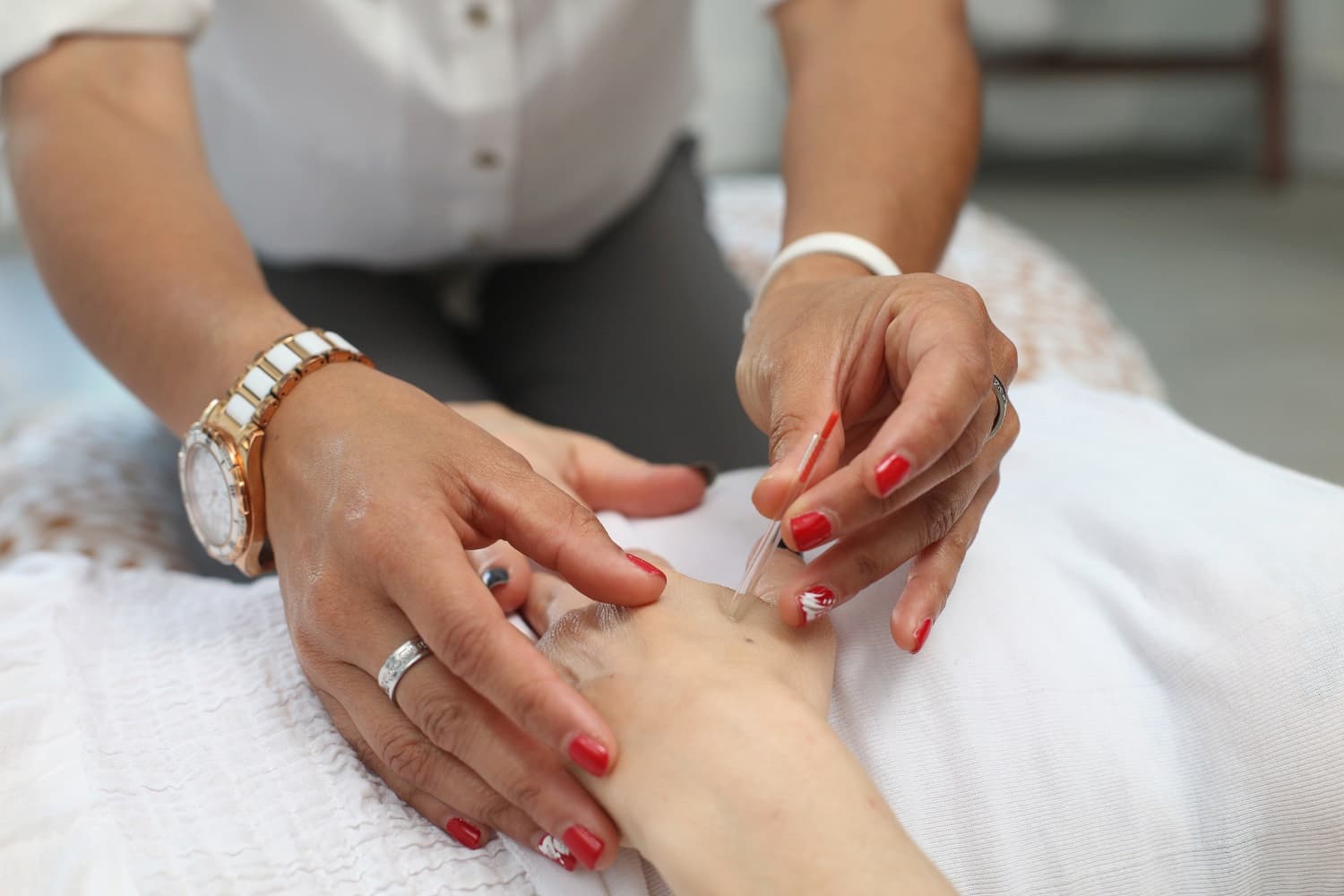
The acupuncture needles are disposable and are made of solid stainless steel, and nothing is injected through them.
Another method can be used in conjunction with acupuncture. This is “Moxibustion”. It consists of rolling a ball of dried herb (“Artemesia Verlotorum” or mugwort) around the shaft of the needle and lighting it so that it smoulders. This has the effect of heating the needle thus reinforcing its action. Alternatively a moxa stick or a tiny grain of the herb can be burned. The patients feel a warm sensation as the heat goes into the acupuncture point.
WHAT KIND OF ILLNESS CAN ACUPUNCTURE TREAT?
Acupuncture aims at treating the patient, rather than the disease. This means that the acupuncture practitioner looks at the patient as a whole, finds the cause of the illness and the imbalance of energy causing it; the imbalance is corrected, thus restoring health to the entire body rather than removing the symptoms. Thus the acupuncture practitioner cannot answer questions like “can you cure migraine”. The question should rather be: “can this particular patient be treated for migraine? and such questions can only be answered after examining the patient.
Since every illness is the result of an imbalance of energy, acupuncture can treat almost any illness, as long as the degenerative process in the tissue of the body is not too far-gone.
WHO CAN RECEIVE ACUPUNCTURE TREATMENT?
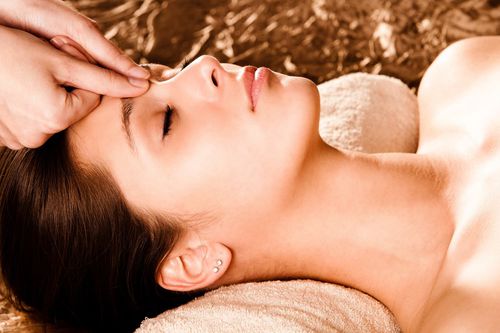
There is practically no age limit for patients. Babies can be treated (needles are not used, as the massage of the point or the use of a laser is sufficient) and there is no upper age limit!
Pregnant women can also be treated using special precautions in the choice of points. Therefore it is essential to inform the acupuncture practitioner in cases of pregnancy.
Women can also be treated during menstrual periods, but it would be useful to inform the practitioner as this may account for observed changes in the pulses.
HOW MANY TREATMENTS DO I NEED?
In general, the older the illness, the longer it takes to cure it, thus patients should not expect “miracles”. Also since every person is treated as a unique individual, it is not possible to forecast exactly the duration of the treatment, this depending on the reaction to the treatment itself.
WHAT REACTION CAN ONE EXPECT?
There can be many different kinds of reactions, but generally they can be divided into two broad categories:
- there may be a slow progressive improvement;
- there may be an initial worsening of the symptoms for a short period, followed by a marked improvement. This is quite normal and should not cause any alarm.
WHY IS ONE ILL?
Usually an illness does not arise from a singular cause; rather often it is the result of a combination of factors, i.e.- hereditary factors
- external influences like cold, dampness, wind, heat, drought
- internal emotional disturbances like stress, anxiety, fear, resentment, anger, grief (or even excessive joy), etc
- food; the poor quality and low nutritive value of today’s food is a very important cause of disease. In fact most commercial food available is highly refined (therefore devoid of nutritional value) and contains all sorts of poisons like artificial flavouring, colouring, preservatives, etc
- trauma, physical trauma (injury) or psychological trauma can both be a cause of disease
- drugs, medicines and surgical procedures can cause diseases
- bones, joints and vertebrae out of position
IS THERE ANYTHING ONE CAN DO TO HELP ONESELF?
This follows from the previous points about the causes of disease.- external causes: avoid excess cold, dampness, etc
- psychological factors: acquire a positive way of thinking, discarding resentment, fears, anxiety, etc
- try to eat natural foods as much as possible and replacing refined foods with whole foods (a separate leaflet on food is available)
- exercise: light or heavy exercise (depending on the age and body conditions) is very beneficial and important for the oxygenation of the tissues
- stimulants: all artificial stimulants are to be avoided like alcohol, tobacco, coffee, drugs (hashish, LSD, etc)
MEDICINAL DRUGS AND ACUPUNCTURE
Every patient should inform the practitioner of all medications taken, including vitamins minerals and herbs if any. Drug therapy can impede an acupuncture treatment, so it is important to understand this, however treatments can still be started while under medication. As the treatment progresses, medication can sometimes be reduced in consultation with your G.P.
What is Chinese Medicine?
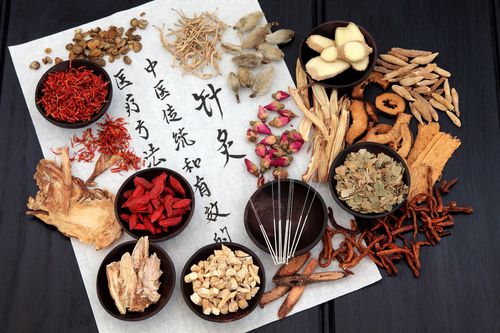
Chinese Medicine originates as one might image in China and dates back some 5000 years. Chinese Medicine includes the use of Acupuncture, Chinese Herbs, and Tui Na.
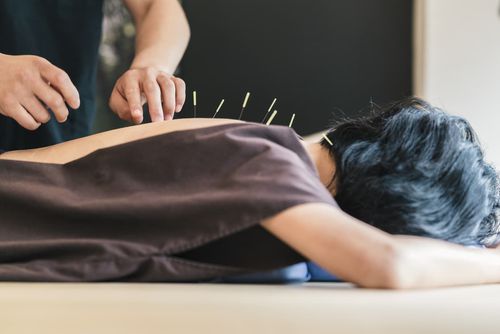
Acupuncture is a system of treating imbalances in the body with the insertion of fine needles into acupuncture points, which are situated on meridians, these run all over the body. The meridians move the body’s “Qi” or life forces around and when one becomes unwell it is perceived that there is possibly a blockage of “Qi” in a meridian-causing disharmony. By inserting needles into the acupuncture points the practitioner can move the “Qi” around unblocking the meridians and restoring well being to the body.
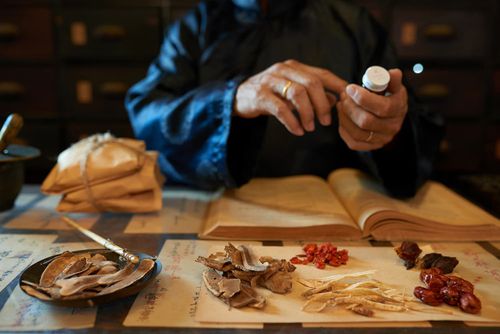
Chinese Herbs can also be used and are usually taken in the form of pills to restore well-being.
FEE STRUCTURE:
Initial Consultation
Usually 45-60 minutes. | $70.00 |
Subsequent visits
Usually 35-45 minutes. | $60.00 |
Chinese Herbs and Tonic
Within consultation
Per box/bottle. | $10.00 |
Tui Na (Chinese Massage)
Usually 30-45 minutes | $70.00 |
Bach Flowers
Within Consultation
Per bottle. | $10.00 |
Counselling Session
Up to 55 minutes.
Each additional ½ hr | $70.00
$35.00 |
Transpersonal Body Work.
Up to 90 minutes | $120.00 |
CLINIC HOURS
Appointments can be made to suit, and after hours appointments are available. Usual clinic times
are Friday 9.00am-6.30-pm and Saturday 8.00 until 1.00pm.
Appointments are essential.
Consultations are held at the clinic
Or
At the patients home or in a
hospital environment.
OBSTETRICS:
Vivienne specialises in Obstetric Acupuncture and Women’s Health and well-being and works extensively with women with problems ranging from PMT to infertility, IVF, morning sickness, and general well-being during pregnancy, inductions, and delivery. Vivienne also works with new borns to alleviate colic and gastric reflux.
This specialised service requires a close relationship between practitioner and patient. The emotional highs and lows of Obstetrics require a deep trust. Vivienne attended her first birth as an Obstetric Acupuncturist some 26 years ago in a country hospital. Since then she has worked in many of the major hospitals in Melbourne and has attended many home births both in Victoria and N.S.W.
Acupuncture can help with the induction of labour, and during labour, reducing contraction pain, emotional stress, and dilation of the cervix.
Vivienne also becomes a support person once the acupuncture has completed its task and labour and delivery are advanced.
OBSTETRIC FEE STRUCTURE:
Initial Consultation
Usually 45-60 minutes. | $70.00 |
On going monthly or bi-monthly checkups
throughout the pregnancy | $60.00 |
| Birth Packages |
Includes 3 treatments, weekly prior to due date, induction (if necessary)
and attendance at the birth.
(Patient must obtain Permission of hospital and obstetrician) | $750.00 |
Private Health Fund Rebates Apply.
CLINIC HOURS
Appointments can be made to suit, and after hours appointments are available. Usual clinic times
are Friday 9.00am-6.30-pm and Saturday 8.00 until 1.00pm.
Appointments are essential.
Consultations are held at the clinic
Or
At the patients home or in a hospital environment.
Inductions and delivery attendance as required and mutually convenient.
Additional links of interest; www.insideessentialchina.com
QUALIFICATION DETAILS
Registered Acupuncturist with the Chinese Medicine Board of Victoria
B. H.Sc.
Grad Dip. H. Couns.,
M. H.Sc. Dip. Ac.
Cert.ORM.
Adv. Dip. TPR.
Dip. PDM. Cert. SP.
Cert. Trad Ch Herbs. Acupuncture, Counselling, Herbalists, Natural Fertility Management, Psychotherapy, Traditional Chinese Medicine, Womens Health
|
|
|