As a registered midwife I specialise in women’s health, and in particular the areas of pregnancy and fertility using traditional Chinese medicine- acupuncture and herbs.
SERVICES Hawthorn Acupuncture Clinic, a specialist women's health Clinic, also treats the following health problems:
Infertility
Recurrent miscarriage
Postnatal complaints such as insufficient lactation, pain, depression and persistent bleeding.
Menstrual complaints
Menopausal symptoms
Infertility
Chinese herbs and acupuncture are provided to assist conception
More information...
Pregnancy
Acupuncture is not generally understood as benefiting pregnant women, yet this gentle and effective method is becoming more widely accepted and clinically proven.
Your pregnancy should be a pleasurable experience, however common complaints can make this a difficult time.
General complaints of pregnancy
Nausea and vomiting
Offering you an alternative to medication, acupuncture has been clinically proven to give relief. Depending on severity treatment is weekly or more often as necessary.
Back pain
Results from local stagnation or the demands of your pregnancy. Treatment is once a week using acupuncture and moxibustion, a warming therapy used to strengthen and release painful areas.
Excessive fatigue/sleep disorders
Reflecting a stagnation or deficiency in the body, fatigue can be a lack of energy or an inability of your body to refresh itself during sleep. Treatment once or twice weekly calms, relaxes and invigorates.
Carpal tunnel syndrome
This syndrome responds well to acupuncture. Treatment is twice weekly initially, relieving the numbness, pain and improving sleep.
Anxiety
Fear and anxiety can affect your sleep and daily living, the relaxing effect of acupuncture once or twice weekly, helps you calm and deal with anxieties.
Breech and posterior position
Using moxibustion to change your baby’s position has long been recognised. The needle free treatment is demonstrated in the clinic for you to continue at home for 1-2 weeks as instructed. Treatment of a breech is optimally begun at 32 weeks; however good results can still be achieved later in your pregnancy.
Prolonged pregnancy
Stimulating the natural hormonal changes that occur at the end of your pregnancy, acupuncture, sometimes combined with herbal therapy, helps initiate labour. Treatment generally is begun between 4 and 7 days after your due date, or when labour appears to begin but does not progress (niggling).
Constipation
Resulting from hormone changes in your body, weekly treatment, combining acupuncture and dietary advice gives relief.
Varicose veins/ Haemorrhoids
Weekly acupuncture relieves the pain you experience from these veins even though complete shrinkage is often not achieved.
Delayed head decent
Poor decent of your baby’s head delays cervical ripening, labour commencement and can complicate induction. Acupuncture aids decent and correct positioning to encourage an easier birth.
If you desiring a natural delivery , the following treatments are available:
Birth preparation
Commenced in week 36 this treatment was proven in Germany to shorten labour and reduce pain relief requirements. It enhances the natural softening (ripening) of your cervix allowing for easier dilation, resulting in less stressful birth for mother and baby. Complaints common to the last stage of pregnancy can be addressed simultaneously.
General wellbeing maintenance
Aims at optimising your health and your baby’s, by addressing imbalances or weaknesses before they become problematic.
Cervical maturation
Commenced in the 36th week this weekly treatment has been proven to shorten labour and reduce pain relief requirements by enhancing the natural softening (ripening) of your cervix allowing for easier dilation.
Pain relief in Labour
Continuous bedside care is unfortunately unavailable, however small ear and body acupuncture press needles can be inserted for your midwife or partners to massage during labour. These needles are easily removed after delivery.
Supported in conjunction with your specialist obstetric care :
Raised blood pressure
Diabetes
Bleeding in pregnancy
Premature labour
Delayed foetal growth
Recurrent infections
Lactation difficulties
Including insufficient breast milk, mastitis, and pain.
Infertility
Back to top...
Traditional Chinese medicine (TCM) has a long history related to infertility, as far back as 200 A.D herbs were documented as being used to treat infertility and miscarriage. Recent research has demonstrated the effectiveness of combining TCM and western medical treatments such as IVF procedures.
Traditional Chinese views are that infertility tends to arise from one or more of three prominent causes:
1. A "deficiency" syndrome prevents the hormonal system from properly influencing the sexual and reproductive functions.
2. A "stagnancy" syndrome prevents the sexual and reproductive organs from functioning despite normal hormone levels and normal ability to respond to hormones.
3. A "heat" syndrome, which causes the affected organs to function abnormally. Heat syndromes may be associated with an infection or inflammatory process. (Subhuti Dharmananda, Ph.D., Director, Institute for Traditional Medicine).
TCM diagnosis is based on observation of the tongue, palpation of the pulse, and questions regarding general health and lifestyle. The Basal Body Temperature chart (BBT) is used to aid diagnosis, as are western medical tests and investigations.
Acupuncture and herbal therapy can be combined or used alone, depending on the diagnosis and patient preference. Fertility naturally declines with age and so it is sometimes advisable for couple to seek western medical treatment whilst pursuing TCM approaches.
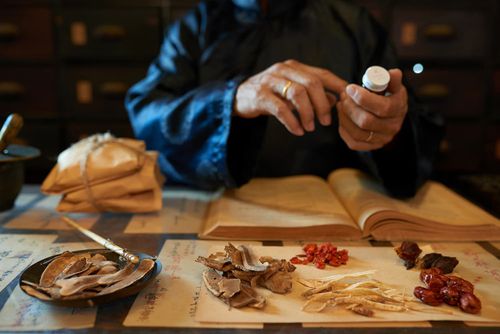
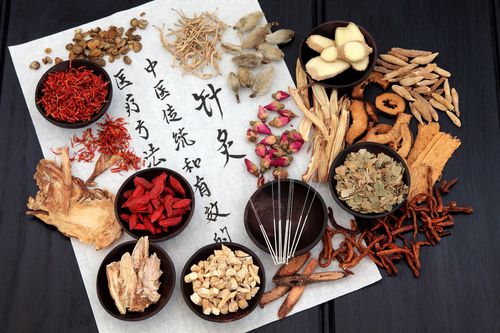
Chinese herbal prescriptions usually contain between 5 and 20 herbs, and no one herb is considered useful alone to increase fertility. The prescription is varied through the phases of the menstrual cycle to stimulate the normal ebb and flow of the hormones. Most ingredients are of plant origin- roots, leaves, flowers and barks. Acupuncture is also applied differently during these phases to treat underlying causes and to encourage the hormonal changes that occur in a normal cycle.
The advantages of TCM
1. Minimal side effects.
2. Treatment aims at balancing the menstrual cycle not over riding it.
3. In treating root causes, general health is improved.
4. Response to Western medical treatments such as IVF is improved.
Conditions treated
- Amenorrhea (absent cycles), or infrequent or irregular cycles, disorders of ovulation.
- Post contraceptive pill amenorrhea (failure to recommence normal cycles after suppression by oral contraceptives).
- Premature menopause.
- Hyperprolactinaemia.
- Polycystic ovarian syndrome.
- Pelvic inflammatory disease.
- Endometriosis.
- Blocked fallopian tubes.
- Recurrent miscarriage.
- Infertility of unknown cause.
- IVF support- most clinics prefer patients do not take herbs whilst undergoing IVF and other assisted reproduction techniques. Treatment before and after is however very useful. Acupuncture is generally accepted during treatment cycles.
- Male infertility – low sperm counts, poor morphology, reduced motility.
*Note a full western medical investigation is advised as structural abnormalities should be excluded.
Treatment sessions are tailored around the stages of the menstrual cycle and generally a minimum of 3 cycles is recommended, however treatment for 6 to 12 months can sometimes be necessary.
Treating infertility is becoming a specialist area within TCM, and I feel very lucky whilst completing my Masters of TCM to have been able to study under “experts” such as Jane Lyttleton and Lily Liu (recently featured on channel 9’s ACA program). Their wealth of experience, as well as that of TCM doctors such as Dr Lifang Liang working in San Francisco, is invaluable particularly in the relatively new area of combining herbal medicine and assisted reproduction techniques.
What is acupuncture?
Back to top...
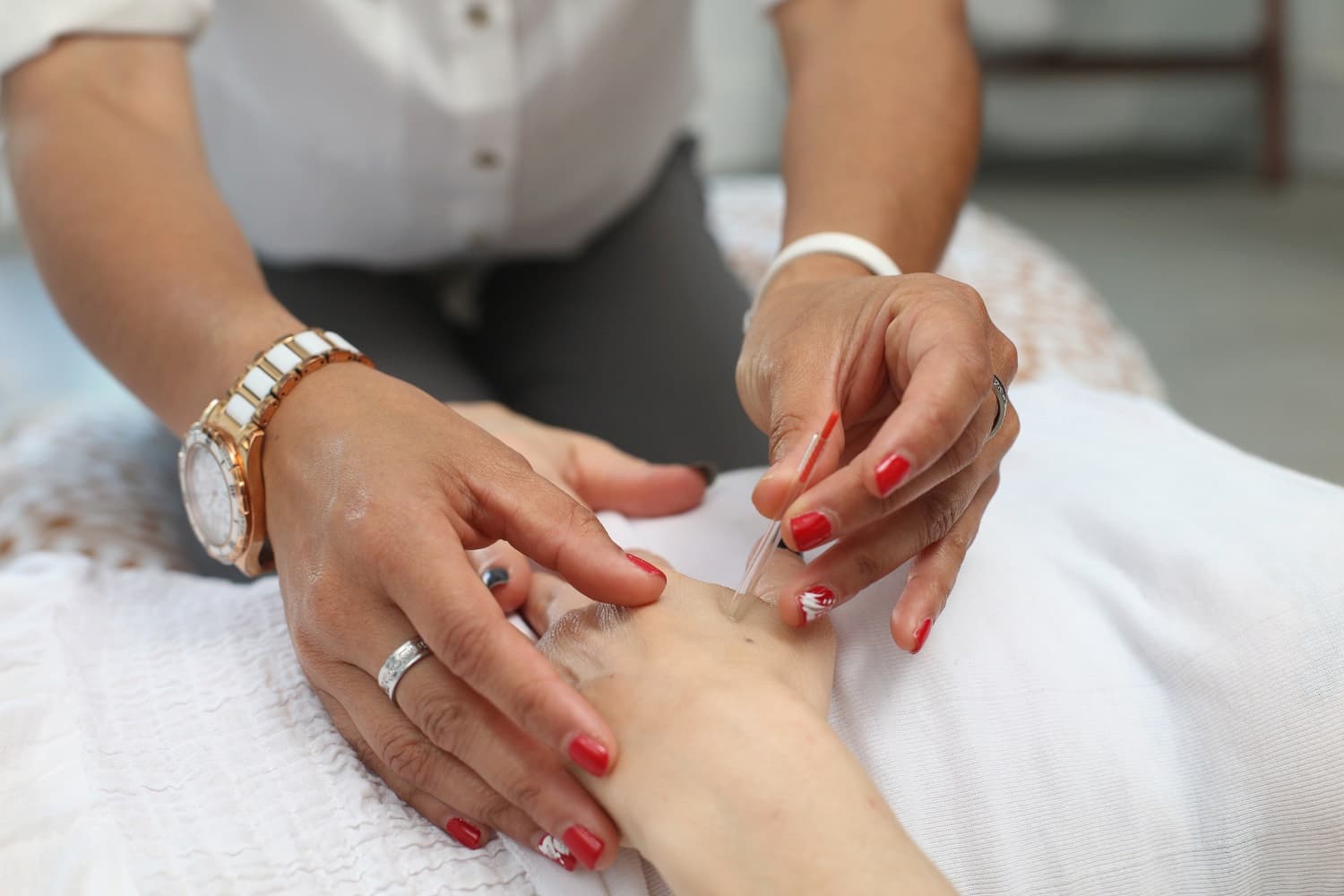
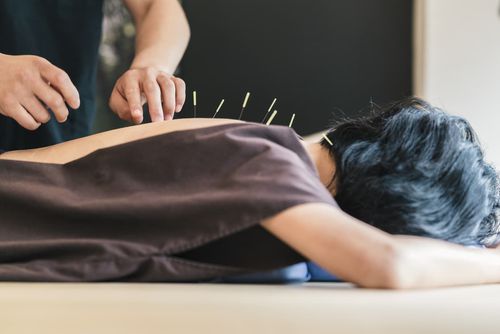
Acupuncture in western society is viewed as an “alternative medicine” mistakenly believed to offer just pain relief. It is in fact a traditional medicine extensively used in the Far East and dating back 3000 years, making it one of the longest standing health systems in use today.
Fine, sterile needles are inserted at specific points to influence the flow of “Qi”, which can be understood as the bodies motivating energy. Good health depends on an unimpeded and sufficient flow of Qi through the various pathways of the body (meridians). Many factors can disrupt this flow, such as stress, overwork, diet, weather, inherited tendencies, and physiological changes such as the demands of pregnancy.
Chinese medicine practitioners diagnose “patterns of disharmony” by questioning and observing. Questions about normal bodily signs and symptoms are combined with general appearance, and in particular the appearance of the tongue, and feel of the pulse, to form a unique picture. Treatment is planned from this picture to suit each individual.
Acupuncture has not been generally understood as benefiting pregnant women, yet this gentle method is becoming more widely accepted and current research is demonstrating its effectiveness. Acupuncture stimulates the nervous system, and alters body chemicals such as neurotransmitters and hormones.
Apart from simple needling, methods such as herbal therapy*, moxibustion (warmth), cupping, rubbing and massage can be used to stimulate Qi flow.
* Herbal therapy is not required in most instances and is only prescribed when desired by the pregnant woman.
Fees-
Initial consultation $60.00, Fertility $65.00
Follow up consultation $60.00
Rebates available from health insurers.
Back to top...
QUALIFICATION DETAILS Registered midwife
Registered acupuncturist ( Chinese medicine registration board of Victoria)
Master Of Traditional Chinese Medicine (distinction)
Diploma of Acupuncture and Chinese herbal medicine
Member of Australian Acupuncture and Chinese medicine association
Service Categories
Acupuncture, Herbalists, Natural Fertility Management, Traditional Chinese Medicine
|
|
|