What is Polycystic Ovary Syndrome?
Polycystic Ovary Syndrome (PCOS) is a common hormonal disorder that affects up to 12% of Australian women. It can develop in women during teenage and childbearing years, causing a hormonal imbalance that triggers cysts to form over the ovaries. Nutrition can play a significant part in managing PCOS symptoms. Read on for more information.
Common Signs and Symptoms of PCOS
- Irregular, infrequent or absent menstrual periods
- Obesity and weight maintenance problems
- Excessive hair growth, particularly on the face, chest, lower abdomen and thighs
Modern medicine is yet to reveal the root cause of PCOS, consequently limiting the treatments available in the management of PCOS symptoms. PCOS itself has been associated with fluctuating insulin and blood sugar levels that in turn affect the regulation of the ovaries and menstruation. Doctors therefore first and foremost recommend a healthy diet in the treatment of PCOS.
Low GI and GL Foods for PCOS
To improve the symptoms of PCOS and insulin insensitivity, most experts recommend a low GI diet, rich in foods with a lower ranking on the Glycemic Index. These foods prevent blood-glucose levels from spiking suddenly, thus reducing the pancreas’s insulin response. Low GI foods also indirectly reduce blood-insulin levels by controlling blood-glucose levels, reducing excessive hormone release from the ovaries and allowing the body to burn more fat. For best results, select low GI foods that carry a low GL index as well. This means low Glycemic Load, which is a combination of the foods GI and its carbohydrate content.
Natural Foods for PCOS
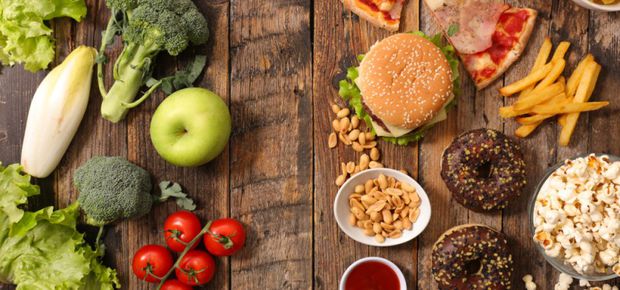
Processed foods are deficient in many nutrients and enzymes required by the body for optimum health. They also contain many artificial flavours, additives and preservatives that the body has to use energy and nutrients to metabolise, process and eliminate. It is always best for PCOS patients to eat foods in their natural state as they have greater nutritional value.
Proteins and Vegetables for PCOS
The diets of those with PCOS should consist mainly of good quality proteins and vegetables. As protein assist in the maintenance of muscle mass by acting as the building blocks for new cells in the body, it is recommended to intake three serves per day of lean animal or vegetable protein.
PCOS patients should also eat as many vegetables as possible throughout the day (excluding high GI starches such as potato). Vegetables are generally high in vitamins, minerals, phytochemicals and fibre (that slows down any sugar spikes in the blood).
Good Fats for PCOS
The essential fatty acids found in foods such as fish, nuts and avocados play an important part in managing PCOS symptoms. Foods rich in Omega 3 fats are also particularly important because they carry anti- inflammatory properties that may assist in the healing of PCOS, an inflammatory condition.
Foods to Avoid with PCOS
Some foods should be completely avoided as they aggravate PCOS and may make the condition worse. These foods include:
- Fruit juices, which are high in sugar, low in fibre and can make your blood glucose levels soar.
- White, refined grain products, especially white bread. These foods have been stripped of any nutritional value to leave a glucose-delivery product that spikes blood sugar levels and drives your hormones to fluctuate.
- Non-organic chicken, which have been dosed heavily with hormones to make the chicken bigger and more commercially viable. When consumed, the PCOS patient gets another kick of unneeded hormones in a body that is already struggling hormonally.
- Dairy products, such as milk and cheese should be completely avoided by PCOS patients. Although dairy products carry a low GI index, they separately stimulate insulin production causing an increase in testosterone, which may cause excess hair growth and acne.
For more information on how good nutrition can help with symptoms of PCOS, speak to your local naturopath or nutritionist.
Find out about other effective natural PCOS treatments.
|
Do you have a passion for Nutrition? Would you love to turn your passion for Nutrition into a rewarding career? Check out the information we have available on what the Nutrition course involves and thousands of other Natural Therapy Courses we have available online and throughout Australia. Why not let us help you find the right course for you today on 1300 924 960 |


